


Last week, in Part One of our three-part series on the biology revolution, we explored the promise and risks of a biology that can redesign life. This week: how we got here, from Darwin’s voyage to the first gene-edited babies, and the forces now pushing us forward faster than the rules can keep up. Next week, ways forward.
Solving For is for people who want to understand hard problems — and what it would take to solve them. We’ve published series on topics ranging from rare earth elements and space to the American Dream. You can read or listen to each one (I narrate them myself) at solvingfor.io. (Was this forwarded to you? Sign up.)
One of the most consequential questions of the 21st century is deciding if and when to edit our genes. Full stop.
For roughly 300,000 years, evolution has shaped us. But now we have the ability to shape it ourselves.
Our species, wrote Walter Isaacson in his best-selling book The Code Breaker, has “developed the talent and temerity to grab control of its own genetic future.”
Artificial intelligence dominates the headlines today. We debate what’s required to make it safe, how it will reshape the job market, even what it means to be human. But the question of editing our genes, while periodically capturing the world’s attention, has repeatedly receded from the public debate.
The science, however, has not stopped advancing. And now AI itself is accelerating biological discovery, making the questions surrounding editing our genes — the very code of life — more urgent than ever.
It’s a reality that raises both exciting and frightening questions.
Thanks to gene editing, people with sickle cell disease are now getting treated and, in many cases, cured. Thanks to gene editing, a baby with a rare genetic disease received a personalized treatment last year and now has a shot at living a full life. Looking ahead, gene editing could treat or prevent diseases ranging from muscular dystrophy to heart disease.
But it could also lead us down a dangerous and unnerving slippery slope. It could take us toward gene-edited babies designed with special athletic abilities, high IQs or specific looks, such as blue eyes and brown hair. It’s not hard to imagine a world in which genetic advantages are bought, passed through generations, and used to determine who gets ahead.
Nearly 30 years ago, the film Gattaca imagined a dystopian society sorted by its genes. It was science fiction. Now the topic is the subject of documentaries like Make People Better, about the first gene-edited babies.
How we got here is a story more than a century and a half in the making, from Darwin’s theory of evolution to a monk’s pea plants, discovery of the double helix, a baby conceived in a lab dish, a map of every human gene, and, now, tools that can rewrite them. Along the way, we crossed a threshold from understanding the genetic code to being able to change it.
The question now is how far we should go.
The Code of Life
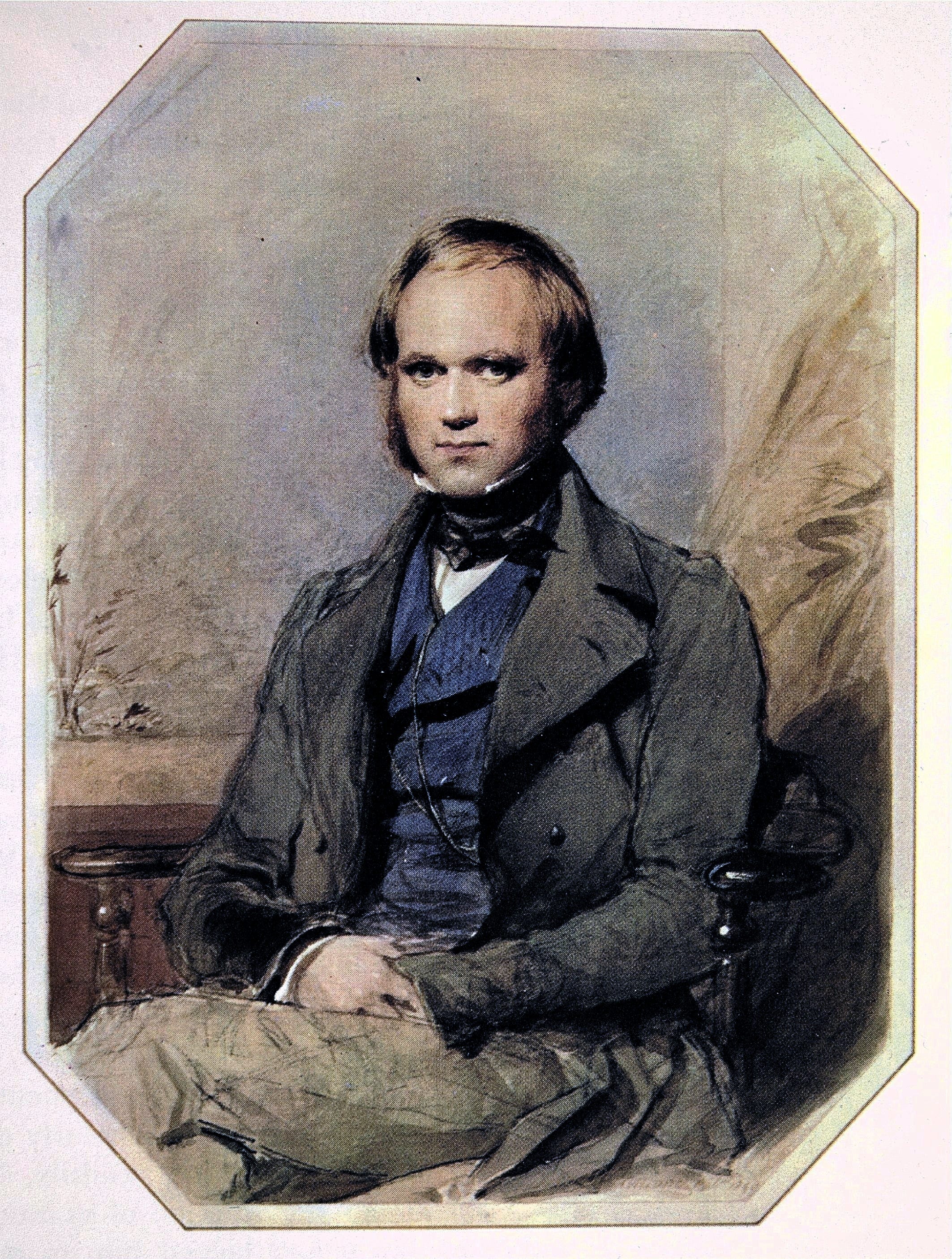
In 1831, a 22-year-old Charles Darwin nearly missed the voyage that would make him famous. The ship’s captain, Robert FitzRoy, was a believer in physiognomy — judging a person’s character from facial features — and he didn't like the shape of Darwin’s nose. But Darwin ended up going. Nearly five years at sea led to the groundbreaking theory he would publish, after decades of delay, in 1859: that species evolve through natural selection.
But what Darwin couldn’t explain was how traits were passed down.
That answer would come from a monastery garden in what is now the Czech Republic. A monk named Gregor Mendel cross-bred some 28,000 pea plants and tracked their traits across generations. He found that a tall plant crossed with a short plant produced offspring that were all tall. But in the next generation, short ones reappeared. Mendel concluded that traits are passed down through discrete, invisible units. He had discovered the basic principles of heredity.
Mendel published his findings in 1866. Yet almost no one noticed. Mendel died in 1884 without being recognized. But by 1900, scientists revisited his ideas and soon the units he identified had a name: genes.
But what were genes made of?
In 1944, Oswald Avery and his colleagues at the Rockefeller Institute found evidence the answer was DNA. Nine years later, in 1953, James Watson and Francis Crick, drawing on X-ray images made by Rosalind Franklin, revealed its shape: the double helix.
The two strands, wound around each other like a twisting ladder, stored genetic information in a four-letter chemical alphabet. Life, in other words, was built on a code.
Pandora’s Box Congress
But if scientists knew the code, could they change it?
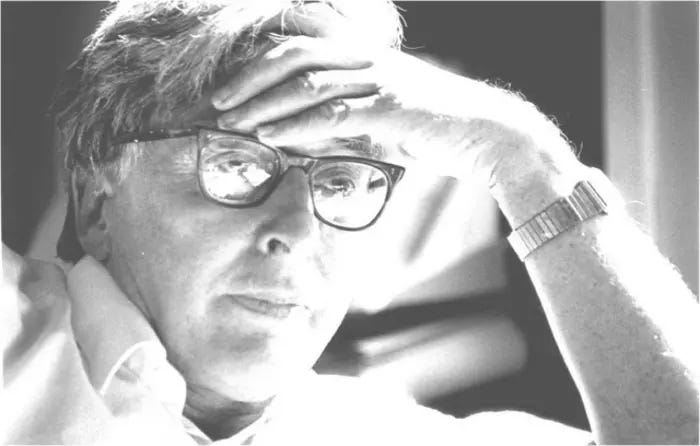
In the early 1970s, Paul Berg, Stanley Cohen and Herbert Boyer showed they could. They helped pioneer recombinant DNA, a technique in which a gene is cut out of one organism and pasted into the DNA of another, where it keeps working.
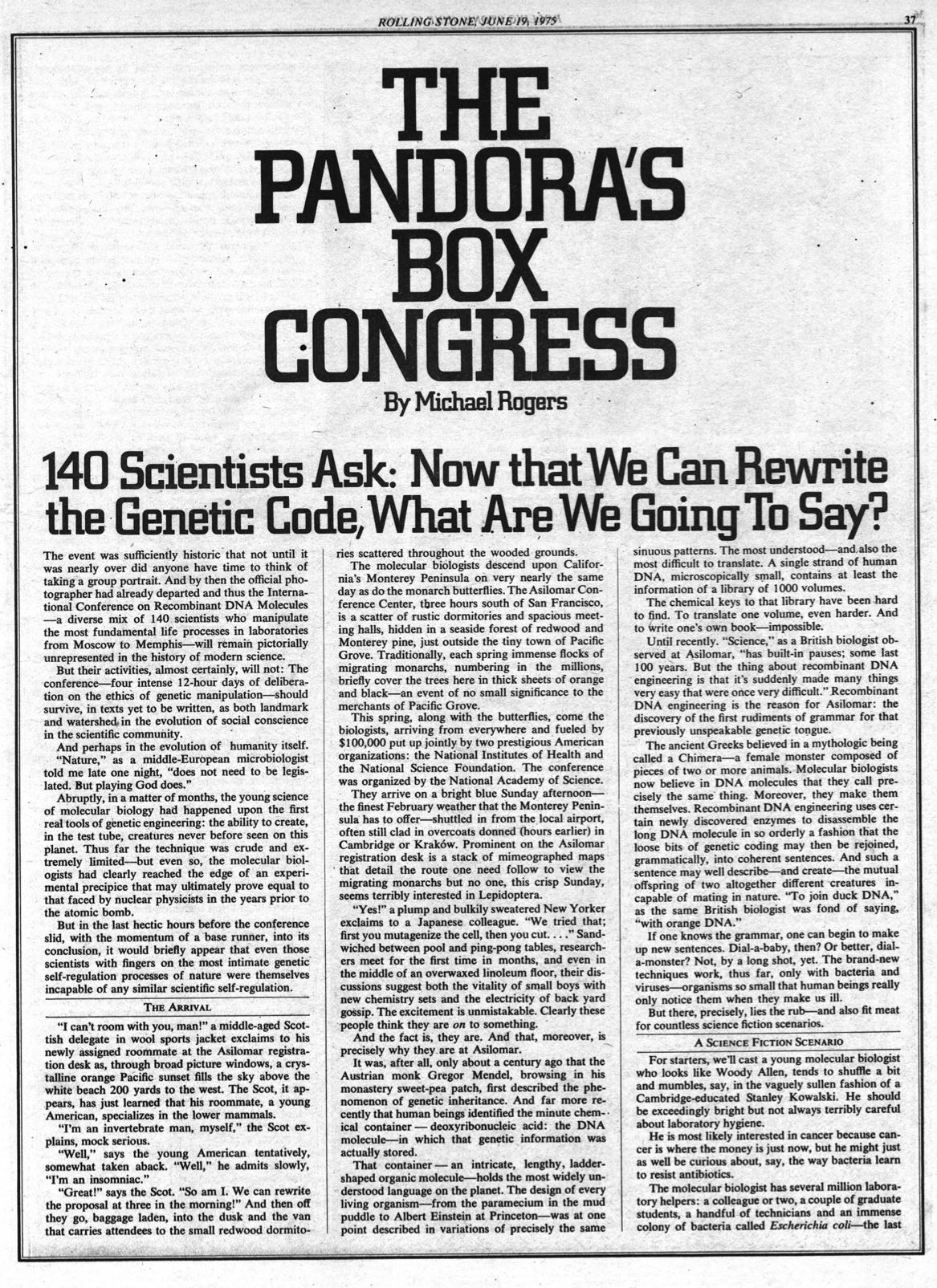
This alarmed some scientists, Berg among them. In 1975, he helped bring about 140 people, most of them scientists, to Asilomar, a conference center on the California coast, where they agreed to limits on their own experiments until the risks were better understood. To this day, it remains one of the best-known cases of scientists policing themselves.
Rolling Stone magazine reported on the meeting under the headline “The Pandora’s Box Congress.” But the actual effect was the opposite of closing the box: it unleashed the field. By drawing a line around the most dangerous experiments, Asilomar signaled that most other work could proceed, and within a few years, the first biotech companies were turning engineered bacteria into factories for human insulin.
What Asilomar left unanswered was the biggest question: how far should we go in rewriting life itself?
In July 1978, that question edged closer to people. Louise Brown was born in England, the first baby conceived through in vitro fertilization, or IVF, in a lab dish. Her genes had not been altered. For the first time, a human embryo had existed outside the body, where scientists could reach it.
Scientists could now move genes and conceive embryos in a lab dish. What they still couldn’t do was read the entire human code. In 1990, an international effort set out to do it: the Human Genome Project.
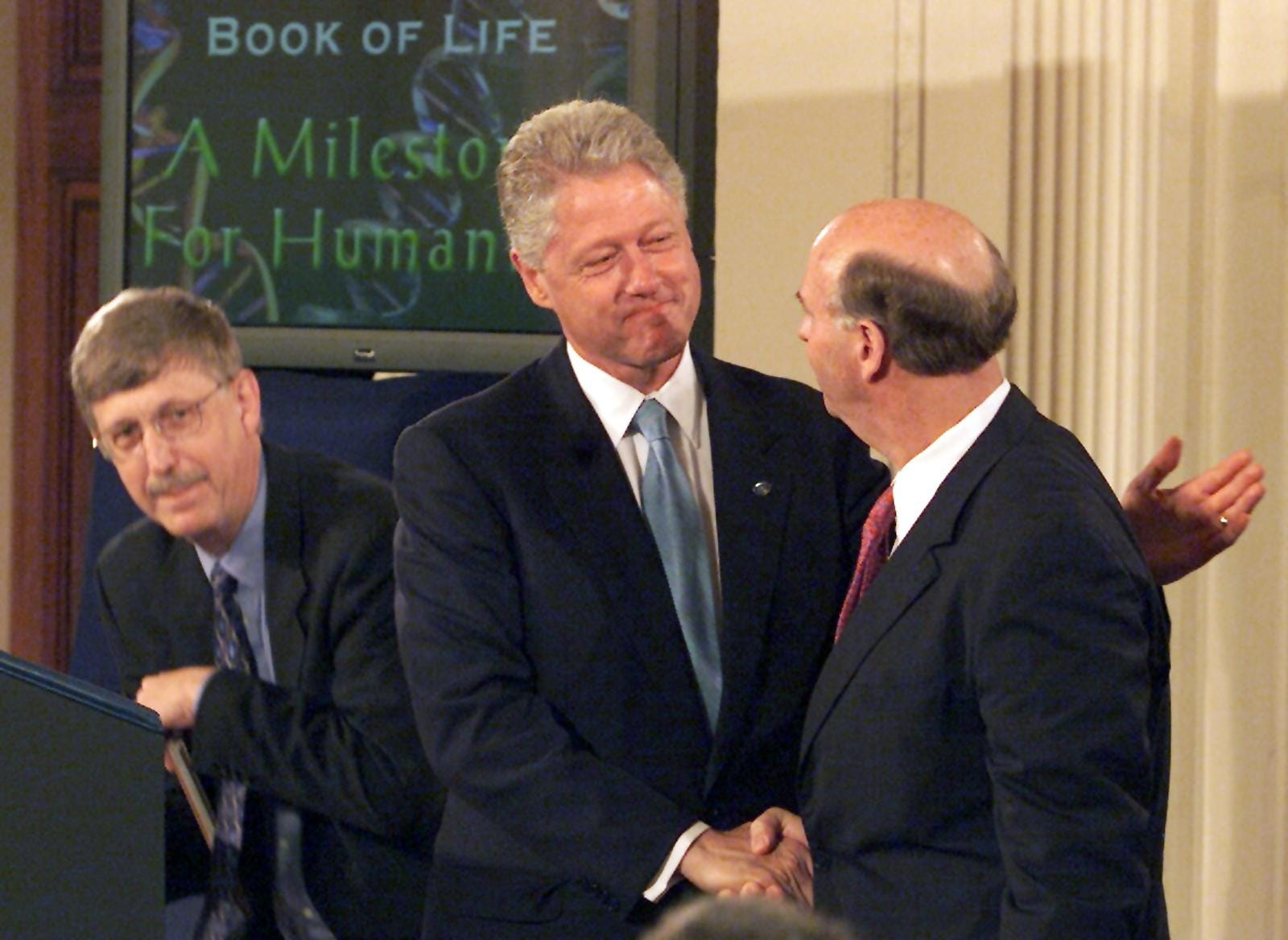
A decade later, in June 2000, President Bill Clinton stood in the White House to announce a first draft, flanked by Francis Collins, who led the government-funded project, and Craig Venter, whose private company had raced it to the finish. The full project took 13 years and about $2.7 billion. Today, sequencing a person’s genome costs a few hundred dollars.
Doudna’s Triumph — and Nightmare
Now scientists could read the entire code. Could they edit it?
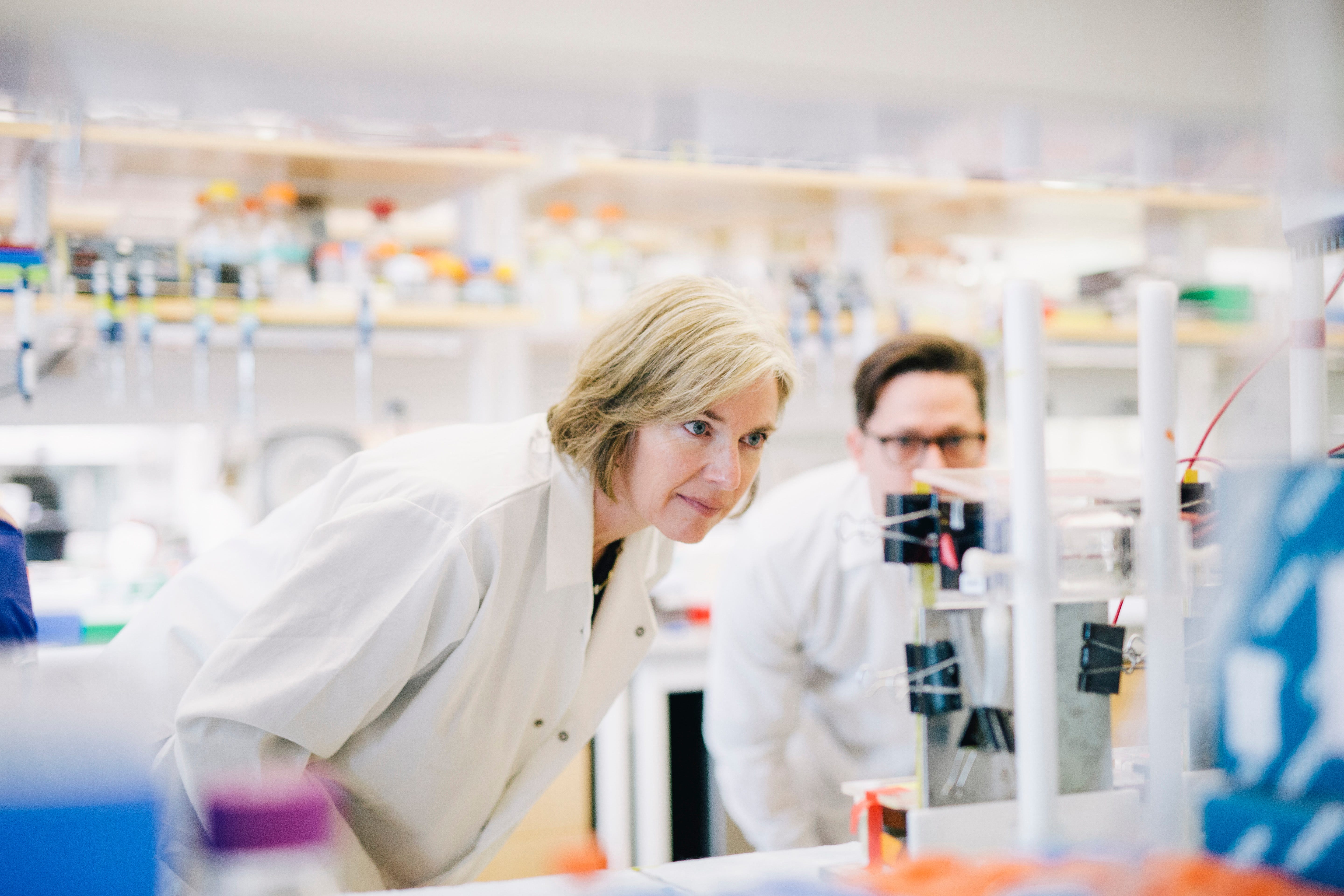
In 2012, Jennifer Doudna of the University of California, Berkeley, and Emmanuelle Charpentier, a French microbiologist then working in Sweden, showed they could. The two scientists developed the CRISPR gene-editing technology.
Doudna had spent her career studying RNA, DNA’s lesser-known cousin. If DNA is the master blueprint, RNA is the working copy, carrying instructions to the rest of the cell. CRISPR uses a strand of RNA as a guide, leading a protein to cut DNA at a chosen spot. Edits that had taken years could now be done in weeks, in labs around the world. In 2020, the two women won the Nobel Prize.
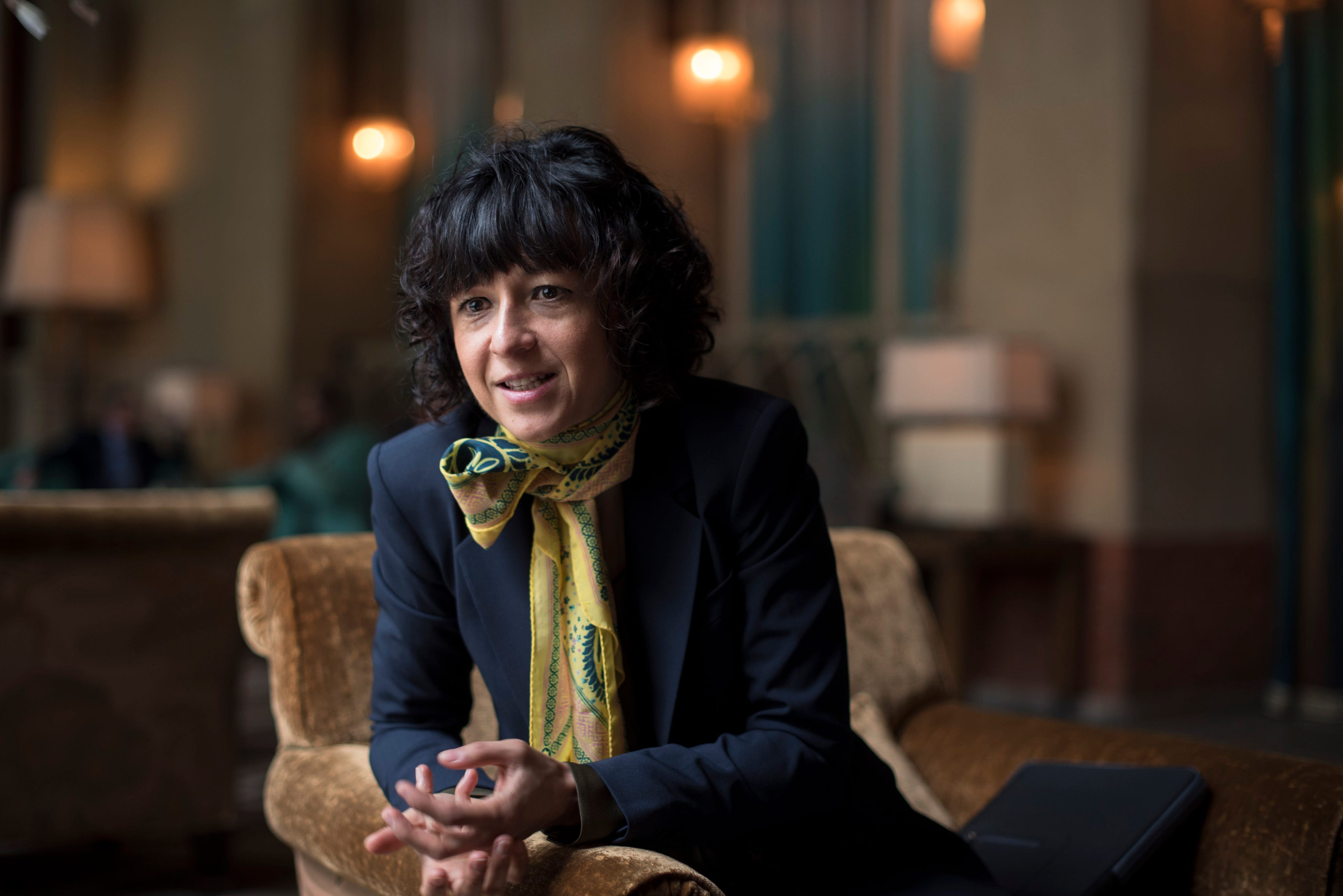
The promise was enormous: a tool that might one day cure inherited diseases like Huntington’s. But Doudna also understood what they had unleashed. Isaacson recounts in The Code Breaker a dream — or nightmare — the scientist had in which a prominent researcher asked her to meet someone who wanted to learn about gene editing. She walked in to find Adolf Hitler, with the face of a pig, sitting in front of her ready to take notes.
“Have we created a toolbox for future Frankensteins?” she would later ask herself.
In 2015, echoing the Asilomar conference forty years earlier, Doudna joined with other scientists and ethicists to organize a meeting in Napa Valley. The result, published in March 2015 in Science magazine, urged researchers worldwide not to edit human embryos meant to become babies until the risks were understood and society had debated whether it should ever be done. They also called for international gatherings to recommend policies.
Two Paths
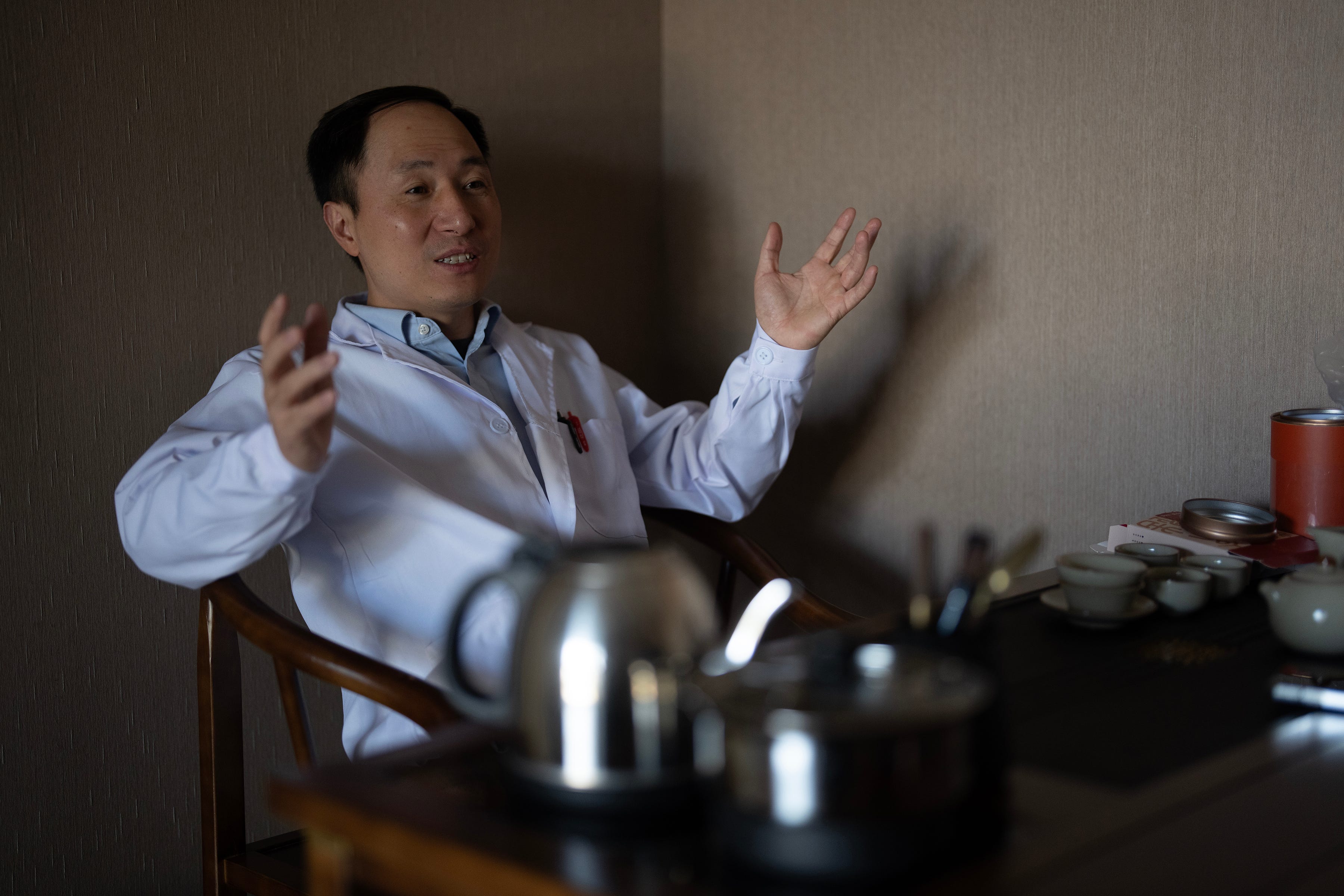
Three years later, someone did it anyway. In November 2018, on the eve of the second of those international summits, in Hong Kong, Chinese scientist He Jiankui announced the birth of gene-edited twin girls. Days later, he took the stage at the summit and defended the work, arguing he was making them resistant to HIV. Such changes could be passed down to their children, and their children’s children. As we explored in Part One, the condemnation was swift, and China would eventually jail him for three years.
Months later, in July 2019, the same tool showed the other side of what’s possible. Victoria Gray, a mother in Mississippi with sickle cell disease, became the first person in the U.S. treated with CRISPR for an inherited disease. And it worked. In 2023, U.S. regulators approved the treatment for commercial use.
Here we saw the same tool used in two different ways: one rewrote the genes of children who couldn’t consent, changes that would be passed to future generations; the other successfully treated a single patient suffering from a lifelong disease who herself chose to do it.
Still, the science pressed on.
The next breakthrough was getting gene editing inside a patient’s body. At first, every CRISPR treatment worked like Gray’s: doctors removed a patient’s cells, edited them in the lab and put them back. That works for blood, but not for most organs, like the liver. The answer came from messenger RNA, the technology behind the COVID-19 vaccines that rolled out in late 2020.
Messenger RNA — referred to as mRNA — is a set of instructions that tells a cell what to build. Wrapped in tiny bubbles of fat, it can slip inside cells. So for some diseases, doctors no longer have to take cells out. They inject the instructions for building the editing tool, and the patient’s own cells build it and make the fix. In 2021, doctors reported the first patients treated this way. In 2025, doctors in Philadelphia used the approach to treat KJ Muldoon, profiled in Part One, with an editor custom-built to fix a single letter of his DNA.
Meanwhile, artificial intelligence began speeding up every step.
Those four letters in DNA spell out instructions, mostly for building proteins, which act like tiny machines that do nearly all the work in our bodies, from carrying oxygen to fighting infection. What a protein does depends on its shape, and figuring out the shape can be very time consuming, sometimes taking years. In 2020, an AI program called AlphaFold showed it could do it in hours. Its creators — Demis Hassabis, who co-founded Google DeepMind, and John Jumper, a Google DeepMind scientist — shared the 2024 Nobel Prize in Chemistry with David Baker, a pioneer in protein design.
It took nearly a century to get from Darwin to the double helix. CRISPR, the tools to deliver it and AI’s push into biology all arrived within a decade.
The Forces at Work
Science can now design a cure faster than ever. What hasn’t kept pace is everything else.
Cost is one gap. As we saw in Part One, the treatment Victoria Gray received now carries a list price of about $2.2 million.
The rules are another. A decade after Doudna and her colleagues met in Napa, the world is still sorting out where the lines should be. Summits have been held and reports written, and dozens of countries have banned editing embryos to create babies. But there is no binding international agreement, and the rules vary widely from place to place. Now startups backed by some of Silicon Valley’s biggest names, including OpenAI’s Sam Altman and Coinbase’s Brian Armstrong, are researching embryo editing and exploring countries where the work is allowed.
And the race is global. China, which jailed He Jiankui and later made implanting edited embryos a crime, also ran the world’s first CRISPR trial in people, in 2016, and has thrown itself into becoming a biotech powerhouse. Agreeing on how fast to go is harder when no one is sure the others will wait.
Perhaps most importantly, what makes sense, and what doesn’t, is still being decided. History shows that our thinking can change. Take the case of IVF. When Louise Brown was born in 1978, IVF was denounced by religious leaders and questioned by many scientists. In 2010, Robert Edwards, who pioneered it, won the Nobel Prize. Today, millions of people owe their lives to it.
In a little over 30 years, IVF went from condemnation to global acclaim. Editing the genes of future children could follow the same path. It could be allowed only in narrow cases, to prevent serious disease. Or it may remain off-limits, a line we’re glad we held. Which one it becomes depends on the choices we make now.
CHECK OUT PREVIOUS SERIES:
Solving For takes on one hard problem at a time — unpacking the stakes, exploring the forces behind it, and surfacing real paths forward. Each series unfolds in three parts. Learn more.